Double Meanings, Double Rankings: How Pun-Heavy Websites Are Accidentally Outsmarting Google
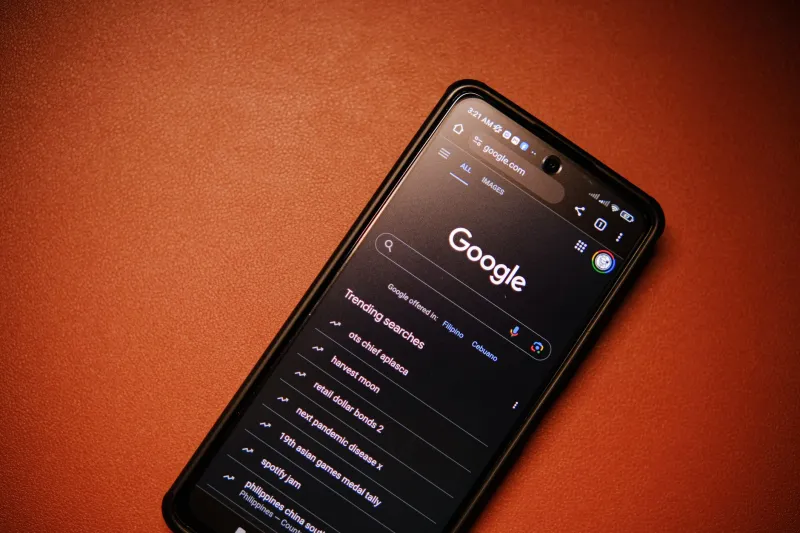
Google processes approximately 8.5 billion searches every single day. Its algorithm has been trained on more human language than any other system in history. It can parse intent, recognize synonyms, understand context, and predict what you actually meant even when you typed something barely coherent at 2 a.m. It is, by most measures, a genuinely impressive piece of linguistic machinery.
And yet. Show it a really good pun and it quietly loses its mind.
This isn't a theoretical problem. It's a phenomenon that a small but growing number of content creators, comedy writers, and — in at least one case — a novelty fishing supply website have stumbled into by accident. Pun-heavy content, it turns out, has a peculiar relationship with search engine optimization that nobody at Google's Mountain View campus appears to have fully anticipated. The double meaning that makes a pun funny is the same property that makes it algorithmically unpredictable — and unpredictability, in SEO terms, sometimes looks a lot like opportunity.
How Search Engines Read Language (And Where They Get Confused)
To understand why puns break search algorithms, you need a basic picture of how those algorithms process text. Modern search engines don't just match keywords — they use something called semantic search, which attempts to understand the meaning and intent behind a query rather than just its literal words. When you search for "bass fishing tips," Google knows you mean the fish, not the musical instrument. When you search for "how to fix a broken keyboard," it knows you're talking about a computer, not a piano.
This disambiguation is genuinely impressive. But it depends on context clues — the surrounding words that tell the algorithm which meaning of an ambiguous term is relevant. Puns, by design, deliberately hold two meanings in tension simultaneously. They don't resolve the ambiguity. They weaponize it. And that's where things get weird.
A webpage that uses the phrase "reel good time" in the context of fishing content will get indexed for fishing-related searches. But it might also pull traffic from people searching for film or photography equipment, depending on how the algorithm reads the surrounding text. The pun creates an accidental keyword overlap that no SEO specialist deliberately engineered.
The Case Studies Nobody Planned
Consider the case of a small humor blog based in Portland that built its entire brand around fishing puns. The site — which its owner describes as "a hobby project that got out of hand" — is stuffed with headlines like "Tackle Your Problems" and "Something Smells Fishy About These Deals." None of this was optimized with any particular search strategy in mind. The owner just thought the puns were funny.
Within eighteen months, the site was ranking on the first page of Google for several searches related to workplace productivity and business strategy — categories that had nothing to do with fishing. The word "tackle" was doing double duty. So was "reel," "hook," "net," and "cast." The algorithm, encountering these terms in motivational-sounding headline structures, indexed the content for multiple intent categories at once.
"I genuinely had no idea why I was getting traffic from HR professionals," the owner explained. "Then I looked at my headlines and realized every single one of them could be read as business advice."
This isn't a one-off. A comedy merchandise site built around music puns found itself ranking for music theory tutorials. A recipe blog that named dishes after wordplay — "Pho Real," "Wonton Destruction," "Thai-riffic" — accidentally captured search traffic from travel content about Southeast Asia. In each case, the pun's double meaning created an unplanned keyword bridge between two entirely different search intents.
The Homophone Problem Is Even Weirder
If semantic puns create ranking confusion, homophones take the chaos to an entirely different level. Words that sound identical but are spelled differently — "right" and "write," "flour" and "flower," "bare" and "bear" — create a specific kind of algorithmic uncertainty that even the most sophisticated language models handle inconsistently.
A baking blog that leaned heavily into flour/flower puns in its headers and metadata found itself appearing in results for floral arrangement searches. The algorithm, encountering "flower" in proximity to words like "fresh," "seasonal," and "arrangement," occasionally filed the content under gardening rather than cooking. The site owner noticed the anomaly when she started getting emails asking whether she delivered bouquets.
SEO professionals who've started paying attention to this phenomenon have a name for it: semantic bleed. It's the unintended migration of content into adjacent search categories because the language used triggers multiple indexing signals simultaneously. Most SEO best practices are designed to prevent semantic bleed. Pun-heavy content produces it constantly, and in some cases, the bleed is actually beneficial.
Can You Game This on Purpose?
Here's the question every content strategist is quietly asking: if puns accidentally create ranking advantages, can you build a deliberate strategy around them?
The honest answer is: sort of, and with significant caveats. The ranking benefits of pun-driven semantic bleed are real but unpredictable. You can't reliably engineer which secondary category your content will bleed into, which means you can't guarantee the traffic you capture will actually convert. A fishing blog ranking for productivity searches gets visitors who immediately leave when they realize they're reading about trout. High traffic and high bounce rates are not a winning combination.
That said, there are scenarios where the overlap is genuinely useful. Comedy content about gaming puns might naturally bleed into gaming search results. Wordplay content about cooking could legitimately serve both humor and recipe audiences. When the two meanings of a pun point toward audiences that are plausibly interested in the same content, the algorithmic confusion becomes an actual advantage.
What This Means for the Future of Search
Google and its competitors are not standing still. Each algorithm update brings more sophisticated natural language processing, and the gap between "what a pun means" and "what the algorithm thinks a pun means" is probably narrowing. At some point, the loophole closes.
But here's the thing: language keeps generating new puns faster than any algorithm can catalog them. New slang, new cultural references, new double meanings emerge constantly. The pun will always be at least one step ahead of the machine trying to parse it — because the whole point of a pun is to exist in two places at once.
Google built a brain to understand language. Puns exist to confuse brains. The match was never going to be one-sided.