Algorithm Allergic: Why the Biggest Streaming Giants Keep Fumbling Pun-Driven Comedy Shows
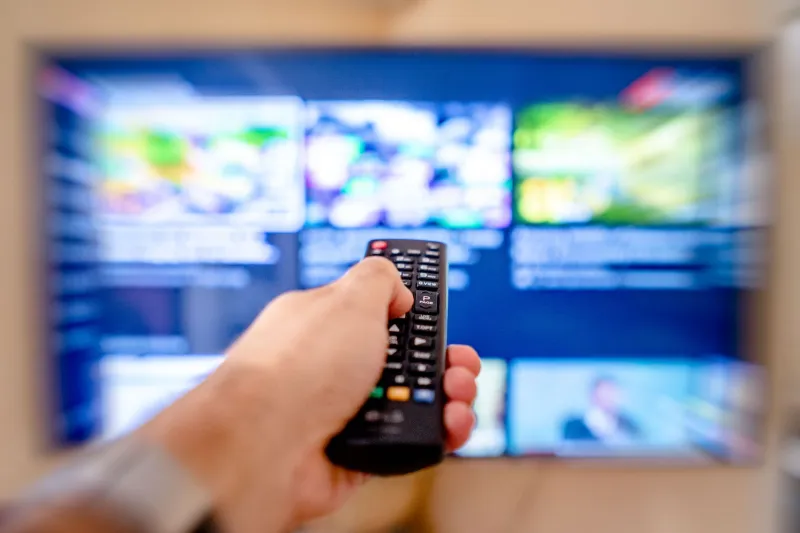
Somewhere in a glossy Los Angeles office, a Netflix marketing executive is staring at a dashboard trying to figure out how to sell a show whose entire comedic identity hinges on a triple-meaning wordplay joke in the title. The algorithm isn't helping. The focus group data is contradictory. And the show's creator — a comedy writer who spent four years perfecting this thing — is refreshing their email waiting for promotion decisions that feel increasingly arbitrary.
This is the quiet crisis of pun-driven comedy on streaming platforms, and it's messier than anyone in the industry wants to admit publicly.
The Algorithm Doesn't Get the Joke
Streaming recommendation engines are extraordinarily good at pattern recognition. They know if you watched three episodes of a gritty crime drama at 11 PM on a Tuesday, you're probably open to a fourth. They can predict with eerie accuracy when you're in the mood for a comfort rewatch versus something new.
What they can't do — at least not yet — is detect wit.
Wordplay-based comedy occupies an awkward categorical middle ground that confuses recommendation systems. A show built around linguistic humor doesn't fit neatly into "stand-up special," "sketch comedy," or "sitcom" the way a straightforward genre entry would. Its humor is embedded in language itself, which means trailers often fail to capture it, thumbnail images can't communicate it, and a thirty-second clip pulled for social promotion may land completely flat without the surrounding context.
"The algorithm optimizes for completion rate and engagement signals," explained one streaming industry insider who asked not to be named because, as they put it, "I'd like to keep my job and my sense of humor intact." "Wordplay shows often have slower starts because the audience needs to calibrate to the comedic register. That early drop-off looks like failure to the system, even when the show has an incredibly passionate audience downstream."
Marketing Wordplay Is Its Own Puzzle
Even before the algorithm enters the picture, the marketing challenge for pun-heavy content is formidable. Traditional comedy promotion leans on clips, quotes, and visual gags — all of which translate reasonably well to social media snippets and billboard copy. Pun-based humor is trickier.
A well-crafted pun lives and dies in a specific moment of delivery. Strip away the timing, the actor's face, the setup that preceded it, and you're often left with something that reads as confusing rather than clever. Marketing teams, under pressure to produce assets fast, frequently default to the safest, most broadly comprehensible moments from a show — which, for a pun-driven comedy, often means the least representative clips make it into the promotional rotation.
Showrunner Delia Park, whose critically praised wordplay-heavy half-hour comedy was quietly buried on a major streaming platform after a promising debut, described the experience with remarkable restraint.
"They pulled a physical comedy moment for the trailer," she said. "A pratfall. Our show has maybe four pratfalls in the entire run. We're a show about language. About the gap between what people say and what they mean. And they sold it like a slapstick sitcom from 1994."
The show was canceled after one season despite strong critic scores and a vocal fan community that still maintains an active subreddit.
HBO's Prestige Problem and Netflix's Breadth Trap
The two dominant forces in American streaming approach this problem from opposite directions — and both approaches create their own flavor of failure.
HBO's brand identity is built on prestige and seriousness. Even its comedies tend to carry a certain weight — Succession was technically a dark comedy; Barry blended hitman drama with absurdist humor. Pun-forward, linguistically playful content doesn't naturally fit the prestige mold, which means it either gets dressed up in tonal clothing that doesn't fit, or it simply doesn't get greenlit in the first place.
Netflix, by contrast, bets on volume and breadth. Its comedy catalog is enormous, which creates a discovery problem that's almost the inverse of HBO's. A pun-driven show on Netflix isn't mislabeled — it's simply lost. Buried under the algorithmic weight of ten thousand other options, it surfaces for users who might love it only if they happen to search using exactly the right terms at exactly the right moment. Which, statistically, most people don't.
"Netflix is a haystack that keeps growing," said one comedy writer who has sold two projects to major streamers. "If you're a needle, you better be a very shiny needle. And pun shows are not inherently shiny in the way the algorithm measures shininess."
The Cultural Barrier Nobody Wants to Talk About
There's another layer to this problem that sits beneath the algorithmic and marketing challenges: a persistent cultural bias against wordplay-based humor at the institutional level.
In American entertainment, puns carry baggage. They're associated with dad jokes, greeting card copy, and the kind of gentle, inoffensive humor that gets politely tolerated rather than enthusiastically celebrated. The critical establishment has historically treated linguistic wit as a lesser art form compared to observational comedy, character-driven humor, or sharp political satire.
This bias shapes development decisions, marketing budgets, and award consideration in ways that are rarely stated explicitly but are felt acutely by creators working in the space.
"Nobody's going to tell you straight up that your show is too punny for serious consideration," said Park. "But you can feel it in every meeting. The enthusiasm is always a little qualified. 'We love it, but can we make it a bit more grounded?' Grounded is code. I know what it means."
What Would Actually Help
Creators and industry observers who spoke with PunGalaxy were remarkably aligned on what better support for pun-driven comedy would look like in practice.
Longer audience calibration windows before cancellation decisions. Marketing assets built around the comedic texture of the show rather than the most visually splashy moments. Algorithm tags that account for humor register and linguistic style alongside basic genre classifications. And, perhaps most importantly, institutional courage to back content that doesn't fit the existing template.
"The audience for this kind of comedy is real and it's hungry," said one comedy writer. "They're on Reddit. They're on TikTok. They're building entire communities around wordplay. The demand exists. The platforms just haven't built the infrastructure to connect supply to demand."
Until they do, the pun problem in streaming remains exactly that — a problem that's hiding in plain sight, waiting for someone clever enough to see through the wordplay and find the answer underneath.