Small Stream, Big Laughs: How Scrappy Twitch Creators Are Winning the Pun Wars Against Gaming Giants
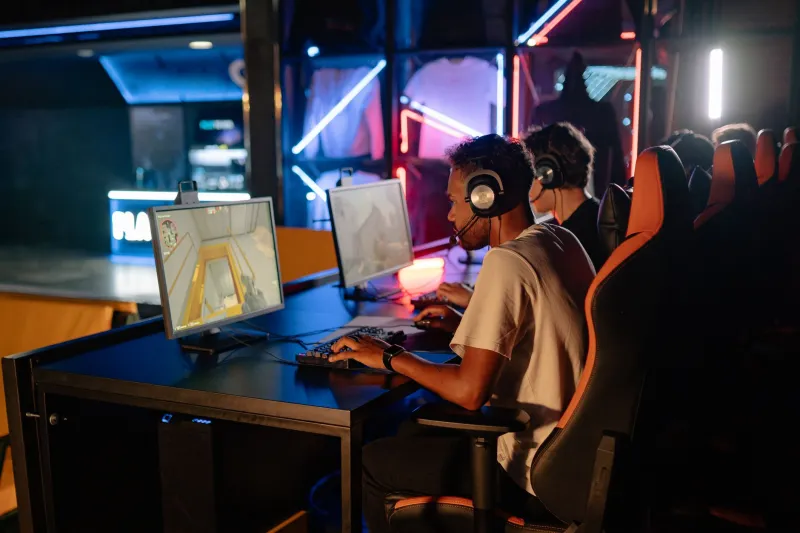
Let's be honest: breaking through on Twitch in 2024 feels about as likely as pulling off a flawless speedrun blindfolded. The platform is packed wall-to-wall with established names, corporate-backed streamers, and influencers with production setups that would make a network TV studio blush. For a small creator sitting at 400 concurrent viewers, competing for eyeballs against someone with 40,000 feels less like a fair fight and more like showing up to a raid with a wooden sword.
But something interesting is happening in the margins of the platform. A growing number of small-to-medium Twitch streamers are finding a competitive edge that money can't easily replicate and algorithms can't fully manufacture: the strategic, consistent, community-defining power of the gaming pun.
The Pun as a Streaming Strategy (No, Really)
If you haven't spent time in the chat of a pun-forward gaming stream, the dynamic might be hard to picture. It's not just a streamer cracking jokes between matches. It's an entire ecosystem — a shared comedic language that evolves organically, rewards loyal viewers with in-jokes, and creates a sense of belonging that keeps people coming back even when the gameplay itself isn't appointment television.
Take Tyler "GruntledGamer" Marsh, a 28-year-old variety streamer from Columbus, Ohio, who averages around 600 concurrent viewers. By Twitch standards, that's a respectable but unremarkable number. By community cohesion standards, it's remarkable — his chat is legendarily active, his subscriber retention is above platform average, and his Discord server hums with daily activity between streams.
His secret weapon? A running catalog of game-specific puns that he deploys with the timing of a seasoned stand-up comedian and the dedication of someone who genuinely cannot stop himself.
"It started accidentally," Marsh admitted during a recent conversation. "I made a pun about inventory management during a Stardew Valley stream — something about being 'crop-timistic' about the harvest — and the chat went absolutely nuclear. Like, three hundred people typing the same laughing emoji at the same time. I felt the power of it and I was ruined forever."
Why Puns Build Community Faster Than Highlights
The community-building mechanics of consistent wordplay are more sophisticated than they might appear on the surface. When a streamer establishes a pun-forward identity, several things happen simultaneously that reinforce viewer loyalty in ways that flashy gameplay clips simply can't replicate.
First, there's the insider effect. Recurring puns and running gags become the private language of a community. New viewers who stumble into the stream mid-session encounter references they don't fully understand, which creates a curiosity pull — they want to know the lore, the history, the bit. Long-time viewers, meanwhile, feel rewarded for their loyalty every time a callback lands. It's the comedic equivalent of a loyalty punch card, except the punch is a groaner about respawn timers.
Second, pun-forward streams are inherently participatory. Chat doesn't just react to wordplay — it generates it. Streamers like Marsh actively encourage viewers to submit their own gaming puns, creating a collaborative comedic environment where the audience is a creative partner rather than a passive spectator. That participation deepens investment in a way that simply watching someone play Elden Ring really well never quite can.
"My chat has a better pun batting average than I do at this point," Marsh said, not without a hint of pride. "I've got regulars who workshop bits in the Discord before the stream just so they can drop them at the perfect moment. That's not just viewership. That's a creative community."
Competing Against the Giants Without Their Budget
Here's where the strategic dimension gets genuinely interesting. Major gaming influencers — the ones pulling 20,000 to 100,000 concurrent viewers — have advantages that are essentially impossible for smaller creators to overcome through sheer effort: production quality, sponsorship deals, network effects, and the algorithmic momentum that comes from already being large.
But they also have a specific vulnerability that pun-focused streamers are quietly exploiting: scale kills intimacy.
When your chat is moving at 2,000 messages per minute, the communal, participatory energy that makes wordplay streams so sticky becomes nearly impossible to maintain. Big streamers can't call out individual chat members by name. They can't build running jokes with specific regulars. They can't remember that CheeseWizard47 made that incredible Minecraft pun three weeks ago and callback to it when the moment is right.
Smaller pun-forward streamers can do all of that. And in doing so, they create something the giants simply can't manufacture: the feeling that you're watching with friends rather than watching a performance.
"I know my people," said Sasha "PixelWitch" Rodriguez, a 25-year-old RPG streamer from Austin with around 800 regular viewers. "I know who's going to try to sneak in a Final Fantasy pun during a boss fight. I know who's been workshopping a Zelda bit for a week. That relationship is the product. The game is just the setting."
Rodriguez's stream has maintained a subscriber retention rate she describes as "embarrassingly good" for nearly two years running, despite never breaking into the upper tier of platform visibility. Her secret, by her own analysis, is that leaving her stream feels like leaving a group chat with your funniest friends.
The Pun Retention Loop
Streaming analytics bear out what these creators are experiencing anecdotally. Streams with consistent comedic identity — including but not limited to pun-forward formats — tend to outperform comparable streams on average watch time even when they underperform on peak concurrent viewership.
In plain English: people who find a pun streamer they love tend to stay longer and come back more consistently than viewers who followed a big name purely because of a viral clip.
This retention advantage compounds over time. A streamer with 600 dedicated viewers who watch for an average of two hours generates more total watch time — and often more subscriber revenue — than a streamer with 2,000 casual viewers who dip in for twenty minutes and bounce when the game gets slow.
The pun, in this context, isn't just a joke. It's a retention mechanism. It's a community cornerstone. It's, dare we say it, a legitimate competitive strategy in the streaming arms race.
The Future of Wordplay Streaming
As Twitch continues to evolve and creator burnout remains a persistent industry concern, the sustainable, community-driven model that pun-forward streamers have built starts to look less like a quirky niche and more like a blueprint.
You don't need a $10,000 production setup to make a great pun. You don't need a sponsorship deal. You don't need to go viral. You need timing, consistency, and the kind of genuine comedic personality that connects with people who are looking for entertainment that feels human.
"Anybody can buy better equipment," said Marsh. "Not everybody can make 600 people laugh at a joke about fishing mechanics at eleven o'clock on a Wednesday night. That's the moat."
At PunGalaxy, we'd argue that's not just a moat. That's a whole galaxy. And these small streamers? They're just getting started mapping it.